
01
Personal Care
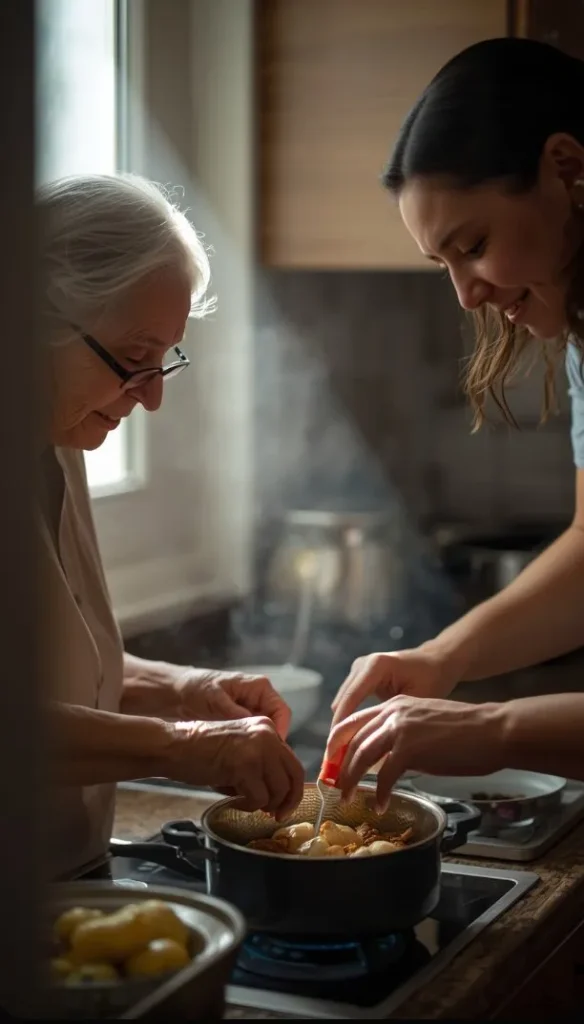
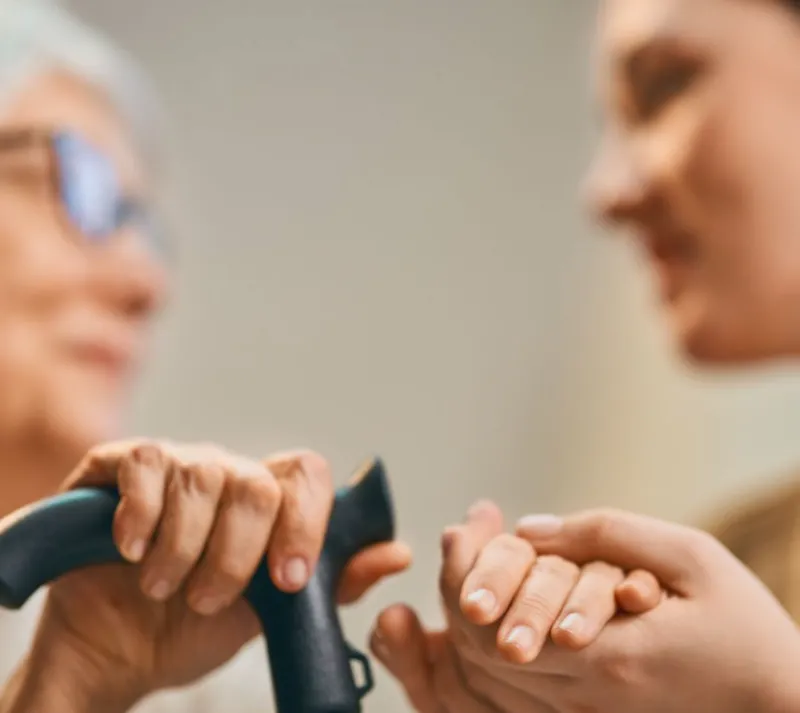
Appropriate assistance with bathing, dressing, grooming, mobility, and other everyday personal routines.
Learn more
Non-medical home care · Southern California
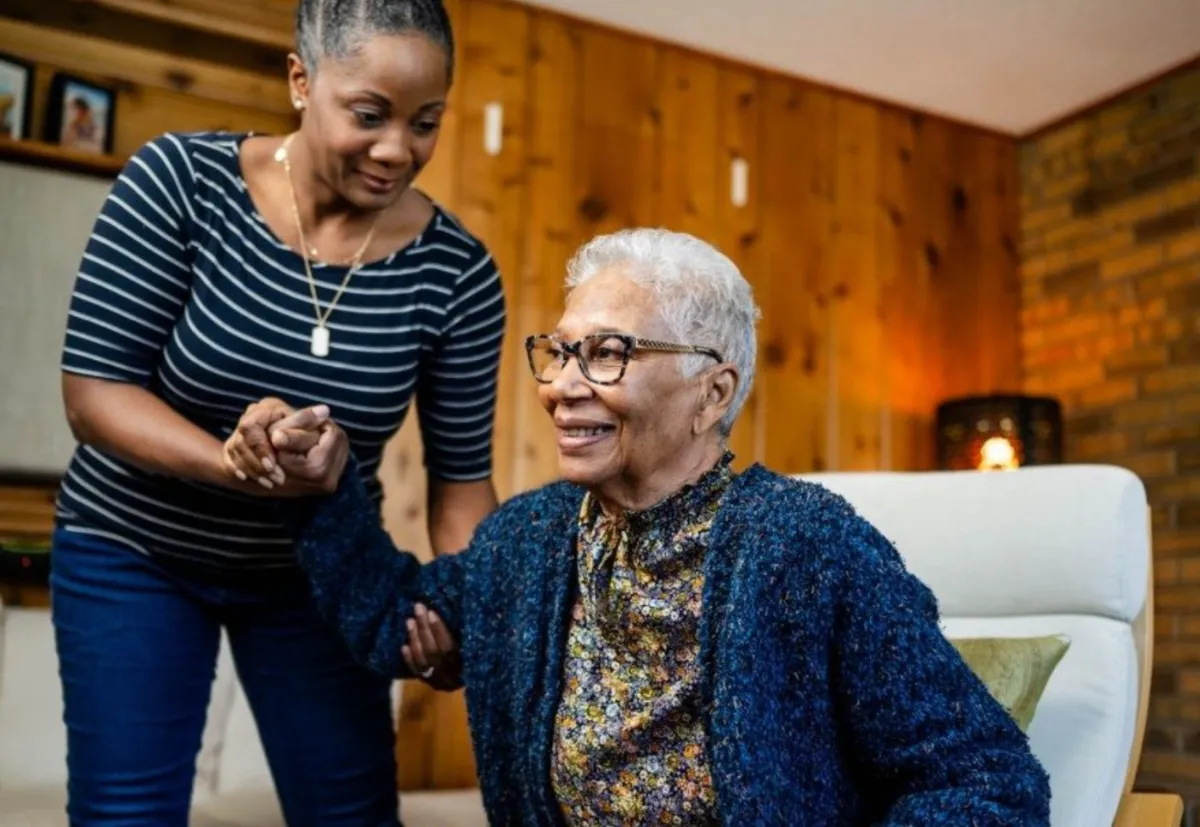
Your loved one needs help today. You also need to know someone is paying attention to what may be changing along the way.
Ms. Lewis’s Home Care provides intentional, consistent support at home with caregivers who are expected to notice, communicate and carry important information forward.
 Notice.Communicate.Anticipate.Act.
You Hired Home Care to Help
Families should not have to constantly piece together the story of their loved one’s care.
We believe good home care should make life easier to manage, not give families another system to manage.
That belief became The Lewis Standard.
Help that fits life at home
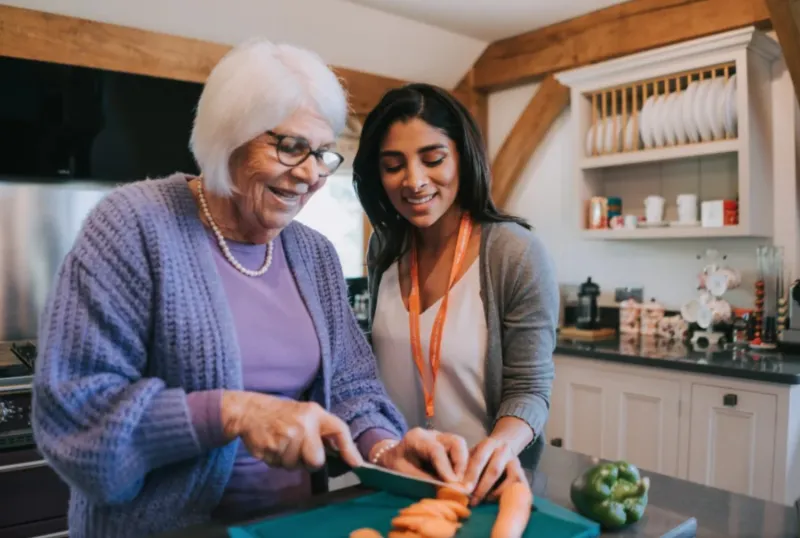
Maybe a parent needs help getting ready each morning. Maybe a loved one would benefit from company and assistance with meals. Maybe you have been providing most of the care yourself and need time for other responsibilities.
Tell us what is happening at home. We can begin with the person, their routines, and the support that would make daily life easier.
Start a Care ConversationServices we offer
Services are based on the individual care plan and what Ms. Lewis’s Home Care is equipped and authorized to provide.
The Lewis Standard
A caregiver may notice that a familiar routine took longer than usual or that a meal was barely touched. Our caregivers do not diagnose what an observation means medically. They are expected to pay attention, document appropriately, and communicate relevant information through the proper channels.
That approach is The Lewis Standard:
01 · NOTICE
Notice the person behind the task.
02 · COMMUNICATE
Communicate what matters.
03 · ANTICIPATE
Anticipate when support needs may be changing.
04 · ACT
Act according to the care plan and agency procedures.
The Lewis Human Intelligence System
The Lewis Human Intelligence System brings five connected practices together under the Lewis Standard of Care: Notice. Communicate. Anticipate. Act. It turns attention into useful communication, informed handoffs and appropriate follow-through.
Every visit combines practical care with attention to observable changes in everyday routines, preferences and support needs. Caregivers notice, document and report what matters without making clinical judgments.
Read moreRelevant information carries forward between visits so the next caregiver arrives informed. The caregiver may change. Knowledge should not.
Read moreAuthorized family contacts receive timely, useful updates through agreed communication channels, so they do not have to hunt for information about the care provided.
Read moreEvery 30 days, we ask what is different now: routines, preferences, family concerns and the support that is needed. When needs change sooner, we address them sooner.
Read moreA defined communication process guides what needs prompt contact, what belongs in a routine update and what requires escalation under agency policy. Families know who to contact and how concerns move forward.
Read moreThe Lewis Standard of Care
Notice. Communicate. Anticipate. Act.
Intentional in how we care. Seamless in how we connect.
The Lewis Handoff
When another caregiver provides a visit, relevant information about the client’s routines, preferences, and previous care should carry forward appropriately.
Our goal is to help the next caregiver arrive with useful context and make care feel more connected for the client and family.
Care happens in the home, but the caregiver has a team behind them. That team helps coordinate schedules, respond to concerns, and support caregivers when questions or changes arise.
Reliable care takes more than one good caregiver. It takes people who stay connected.
IN THE HOMEOne caregiver at the door
For Families
Knowing someone is there is one thing. Knowing they are paying attention is another.
Families deserve a clearer picture of how things are going at home, not simply confirmation that a shift was completed.
Our goal is to make communication useful, care more connected and the experience easier for the people who are trying to hold everything together.
Consistency matters because familiarity helps caregivers learn the person behind the care plan. We work toward dependable care relationships while recognizing that schedules, availability and client needs can sometimes require changes.
Families should not have to chase information. Our approach emphasizes appropriate documentation and communication so relevant information does not simply disappear when a visit ends.
Our caregivers do not diagnose or make clinical assessments. They are expected to recognize observable changes or potential concerns, document appropriately and communicate through established channels. Medical interpretation remains with the family and appropriate licensed healthcare professionals.
That is exactly why we created The Lewis Handoff. Relevant information should carry forward so care does not unnecessarily restart from zero.
Caregiver availability can change. What should not disappear is the information needed to support continuity. Our scheduling and care processes are built to help the next caregiver arrive informed and prepared.
Why Ms. Lewis’s?
More consistent. More observant. Better communicated. More useful to the family. And more respectful of the life already being lived inside the home.
That’s our longer view.
A family should not have to find out Friday about a concern someone noticed Tuesday.
Important information can get lost between shifts, between a caregiver and a family, or between noticing a change and deciding who needs to know. When that happens, routines can break down, caregivers can arrive without context and families are left filling in the blanks.
We work to close those gaps.
The Lewis Human Intelligence System connects the people and information around each visit. Look-Ahead brings attention to observable changes. Handoff carries relevant information forward. CareView keeps authorized family contacts informed. Family Signal guides reporting and escalation. The 30-Day Care Check reviews whether ongoing support still fits, with earlier review when concerns arise.
Our goal is fewer missed details, fewer avoidable surprises and caregivers who arrive informed. Small concerns should reach the right people rather than disappear into a note.
Technology can help information move. People make it meaningful by noticing, communicating and following through.
That’s human.
Intentional in how we care. Seamless in how we connect.
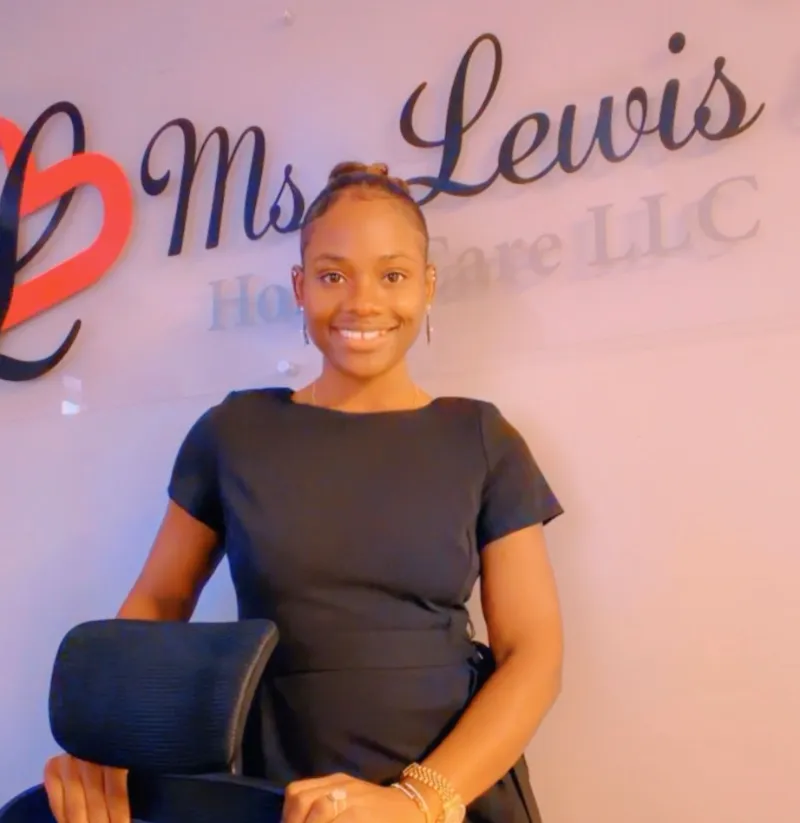
A note from our founder
“My grandfather taught me that people don’t care how much you know until they know how much you care.”
Read Our StoryMy earliest lessons about caregiving came from helping care for my grandfather. That experience taught me to respect the person behind the daily routine.
I founded Ms. Lewis’s Home Care because families deserve more than a completed shift. They deserve caregivers who pay attention, communication when something matters, and care that connects from one visit to the next.”
Our offices and service areas
Ms. Lewis’s Home Care serves selected communities in Los Angeles, Orange, and Riverside counties. Service availability depends on the care address, client needs, requested schedule, and caregiver coverage.
Two Ways to Start
You don’t need to know exactly how many hours you need or what the next six months will look like. Tell us what is happening now. We’ll start there.
Caregiver careers
We’re looking for caregivers who understand that attention matters.
Start with a conversation
You do not need to know exactly which service you need or what the next six months will look like. Tell us what is happening now. We will start there.